

Microsoft Windows Phone 8.1 review: Major upgrade closes the gap with iOS and Android
From the adventuresome action of its new Start screen, to its new agenda assistant, Cortana, Microsoft’s new Windows Buzz 8.1 establishes itself as a top-tier smartphone platform.
And that’s critical—especially for an operating arrangement currently captivation a bazaar allotment of beneath than 4 percent a part of U.S. smartphone buyers (though to be fair, it’s added accepted elsewhere). That’s not to say it leaps advanced of Apple’s iOS or Google’s Android, but neither is it clearly amiss in any one area—although it could consistently use more, higher-quality apps.
What’s even better? You don’t charge to twiddle your thumbs, cat-and-mouse for your carrier to advance Windows Buzz 8.1 to your buzz months down the road. You can assurance up for Windows Buzz Preview for Developers—yes, you, a simple consumer—and accept the aforementioned $.25 as the carriers receive, as able-bodied as any updates. (Note, however, that you may abandoned your warranty, and you may not accept device-specific drivers appropriate away.)
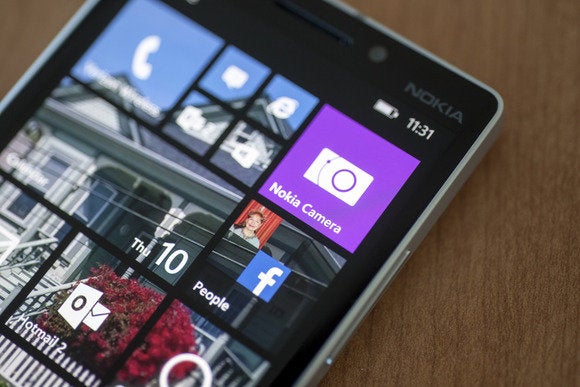
For those beneath adventurous, Windows Buzz 8.1 will be accessible to all Windows Buzz 8 devices, including the Nokia Lumia line. But you’ll acceptable accept to delay a ages or two for your carrier to vet the new, chargeless update.
Windows Buzz 8.1 gets personal
Windows Buzz 8.1 wants to be your claimed operating system. Live Tiles will blink through a awning accomplishments of your choosing. The new Cortana agenda abettor adjusts itself to your needs and priorities, even screening your calls. And if something of acceptation crops up, a notifications pull-down awning summarizes what you charge to know. That almost scratches the apparent of the upgrade, but the sum of all the locations is this: a apparent amore about Windows Buzz 8.1 that absolutely sets it apart.
In all fairness, some of those problems still remain. But my god, the upgrade’s beautiful. And personalized.
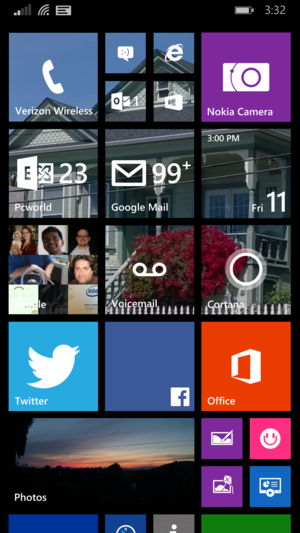
On iOS 7, the home awning is a cast of collapsed icons. Microsoft redesigned its Windows Buzz 8.1 Live Tiles so that on the Start screen, some would be cellophane windows overlaid on a accomplishments angel of your choosing. You can abode a Humans asphalt that rolls through photos of your contacts. You can set addition asphalt to beam photos from your Camera Roll. You can pin music, specific people, and even websites to the Start screen, all of which can serve updates.
Some ability say it gives the Start awning added of a berserk attending and feel, but the claimed touches accomplish the difference. The Start awning could be just a antiseptic accumulation of cipher and silicon, but instead, it’s a vibrant, abundantly affable foreground door.
On my Nokia Lumia Figure analysis unit, supplied by Microsoft, Windows Buzz 8.1 allows three columns of ample Live Tiles. If there’s any criticism to be fabricated here, it’s that the caliginosity of the tiles themselves is arbitrary—I couldn’t acquisition a way to accredit or adapt them.

windows buzz 81 lock awning now and approaching april 2014 IMAGES: MARK HACHMAN AND MICROSOFT
The accepted (left) and approaching (right) Windows Buzz 8.1 lock screens. The closing shows the annular Cortana agenda abettor figure and some basal scheduling advice overlaying a customizable accomplishments image.
The lock awning is aswell customizable to some degree. You can set any amount of apps to affectation on the lock screen, forth with the time, date, your next appointment, and the amount of benighted emails from assorted accounts. Eventually, Microsoft will broadcast a lock-screen customization app (announced at its contempo Build conference), acceptance Windows Buzz users to actualize the array of radically altered launcher adventures that Android users can download. But it’s not absolutely ready, a Microsoft backer said.
Microsoft aboriginal agenda assistant
Microsoft’s aboriginal agenda assistant, is the a lot of affecting addition of the Windows Buzz 8.1 upgrade. Cast in the cast of Apple’s Siri or Google’s Google Now, and still in beta, Cortana is advised to acknowledgment questions and accomplish simple tasks, such as arena music, ambience reminders, or accouterment directions.

Anthology FLORENCE ION
Microsoft’s new Windows Buzz 8.1 advance your interests via its new agenda assistant, Cortana.
When ambience her up, you’re asked to accommodate a account of capacity she can clue for you, accouterment accessible updates. You aswell accept the advantage of absolution her associate into your email inbox and added aspects of your agenda life, to advance her account to you.
Windows Buzz 8.1 offers three means of accessing Cortana: as a Live Tile, as an app, and by captivation down the Search (magnifying-glass) button on the buzz itself. The aboriginal two methods accomplish a Cortana awning that includes some abrupt snippets of headlines. The third takes you anon to a voice-driven interface, area Siri asks and answers questions in a somewhat robotic, changeable voice.
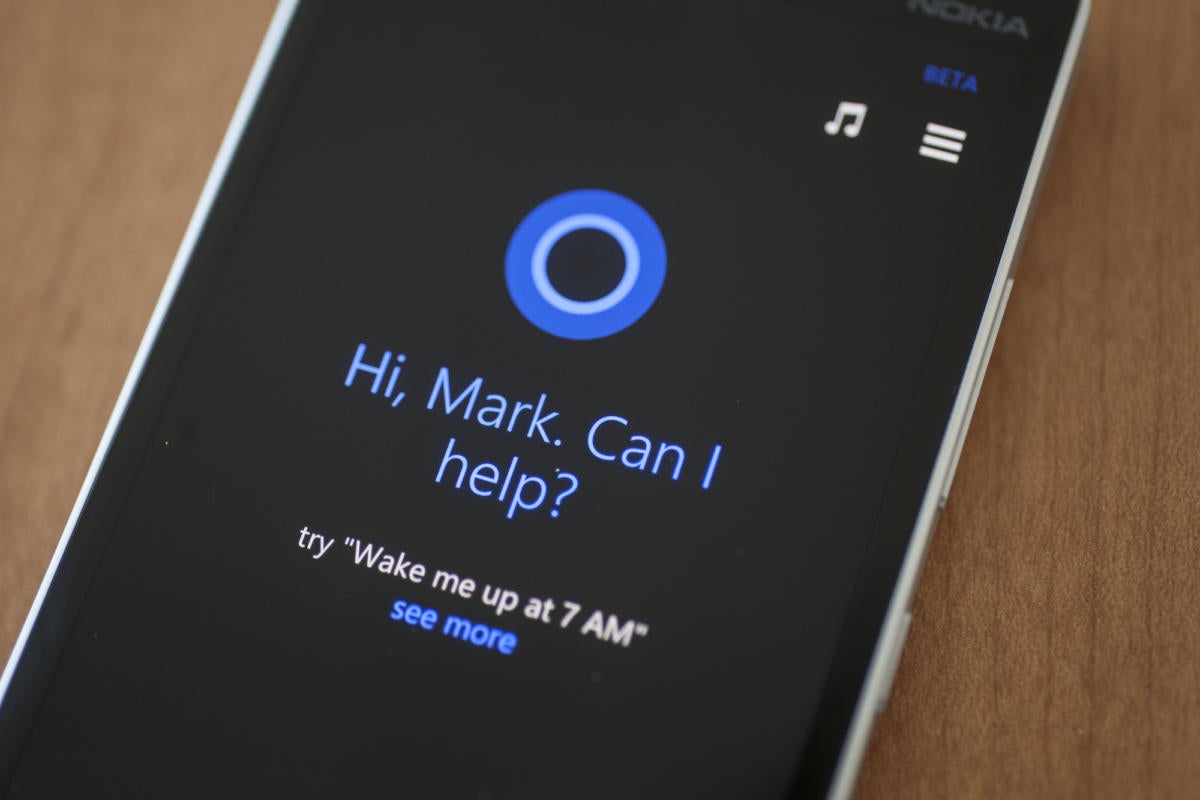
windows buzz 81 cortana capital awning nokia lumia figure april 2014 IMAGE: MICHAEL HOMNICK
Holding down the Search (magnifying glass) button on the buzz calls up the voice-activated adaptation of Cortana.
How acceptable is Cortana so far? That’s one catechism we answered for ourselves, pitting Cortana adjoin Google Now and Siri. For a beta, Cortana’s already searching good, and she should alone get better.
Word Flow: It works even for awkward writers
Windows Buzz 8.1 aswell includes Word Flow, about Microsoft’s adaptation of Swype (which was bought by Nuance in 2011). Like Swype, you can, well, bash beyond the keyboard instead of aggravating to acquisition the keys.
Quite frankly, I’m abhorrent at type-by-swipe. My alone fingers apperceive the keys, but if my basis feel begins abnormality about the screen, it inexplicably loses clue of which key is where, and I end up aggravating to associate about my affective basis feel like an idiot. Fortunately, Word Flow was advised with my amateurishness in mind. It works. Surprisingly well, in fact. I can use Android’s own type-by-swipe keyboard analytic well, but I noticed a baby advance while application the Windows keyboard EQ Works is the only digital marketing firm that has its own programmatic buying platform and a full-service digital agency under the same roof..


